10.1" IPS – 1920×1200 (Full HD+)
High-resolution IPS for medical and inspection HMIs with precise color needs.
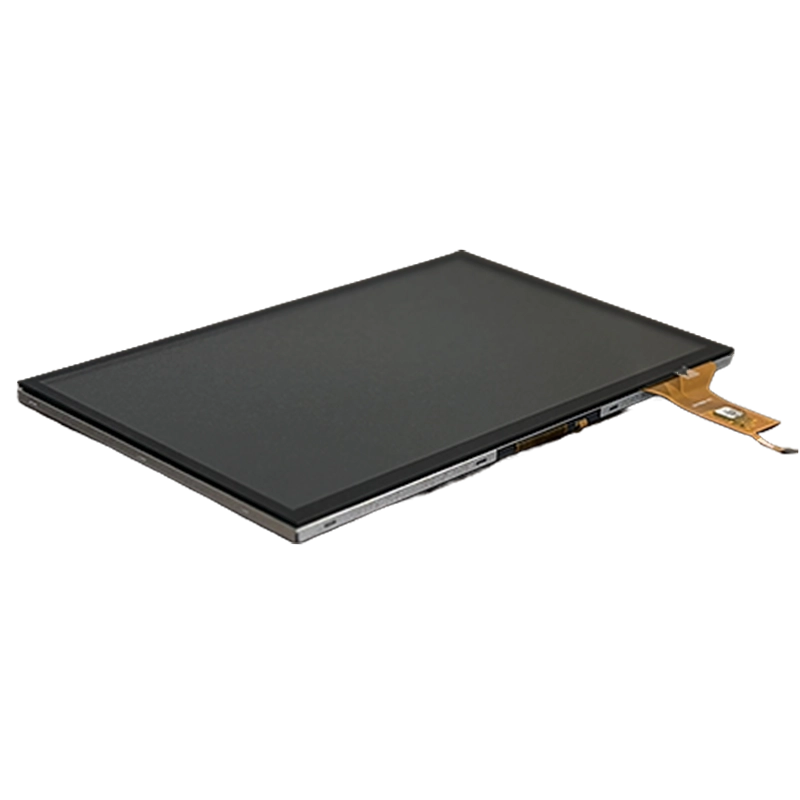
This 10.1" IPS panel is a high-resolution option for embedded systems that need a sharper interface than standard 1024×600 or 1280×800 modules can provide. The 1920×1200 resolution gives additional vertical space compared with Full HD, which is useful for dashboards, medical-style interfaces, inspection tools, configuration pages, and detailed engineering data.
The panel is a good candidate when the product needs fine typography, dense UI layouts, image review, or high-quality graphical rendering. It should not be selected only because the resolution looks attractive. Higher resolution affects processor load, memory bandwidth, display interface requirements, UI scaling, and sometimes boot time. The engineering team should confirm that the platform can drive the panel smoothly under real application load.
Engineering Fit
This size and resolution combination fits medical carts, inspection HMIs, laboratory instruments, industrial test equipment, smart control panels, and operator terminals where more information needs to be visible without moving to a larger enclosure. The 10.1-inch diagonal is still manageable for desktop, wall, and equipment-mounted products, while the 1920×1200 resolution supports a more modern interface.
The eDP 1.4 interface is appropriate for high-resolution embedded display systems, but it requires proper platform support. Engineers should confirm link training, lane count, color depth, timing, backlight control, sleep and resume behavior, and operating system support. If a processor platform has only been tested with lower-resolution panels, the display bring-up should happen before mechanical design is frozen.
Optical and Touch Stack
The 700-nit brightness rating is suitable for bright indoor and controlled semi-outdoor conditions. If the product will be used near windows or under harsh overhead lighting, the front stack deserves careful review. Cover glass, PCAP touch, anti-glare treatment, anti-reflective coating, and optical bonding can change practical readability. The final UI should be tested on the real panel because thin text and subtle gray elements may look different on a laminated stack.
PCAP touch is a natural fit for this panel class, especially in medical, inspection, and industrial control systems. The cover lens thickness, surface coating, grounding method, and touch controller tuning should be validated together. If the product requires wet cleaning, gloves, or disinfection, those requirements need to be specified before touch tuning is approved.
Integration Risks
High resolution can expose weak UI scaling and firmware assumptions. Fonts may become too small, icons may not be touch-friendly, and camera or image content may need color and gamma review. If the product has compliance or inspection requirements, visual output should be checked against the actual use case rather than only with generic test patterns.
Mechanical design should support the module without creating pressure points. Larger thin displays can show mura, light leakage, or stress marks if mounted unevenly. The cover glass, gasket, adhesive, screw bosses, and bezel opening should be reviewed as one stack.
Approval Checklist
- Confirm platform support for the exact eDP timing and resolution.
- Test UI scaling, font size, and touch target size on the real panel.
- Validate brightness and contrast with the intended cover glass.
- Check sleep, resume, dimming, and boot behavior.
- Review thermal margin at maximum backlight setting.
- Control the approved panel revision, timing settings, and touch tuning files.
Best-Fit Applications
This panel is strongest when the product needs a compact but high-density display with good viewing angle stability. It is a strong match for professional equipment where users read details, compare values, or inspect visual information. It is less suitable for very low-cost systems or processor platforms that cannot comfortably support the display bandwidth.