PCAP Through Thick Cover Glass: Design Limits and Tuning Methods
Understand projected-capacitive touch through thick glass, including dielectric stack, electrode design, controller tuning, noise margin, …
Curated content tagged Blogs — guides and posts around this topic.
Understand projected-capacitive touch through thick glass, including dielectric stack, electrode design, controller tuning, noise margin, …
Compare I2C, SPI, and USB touchscreen interfaces by report bandwidth, latency, drivers, wiring, power states, firmware updates, and …
Build a usable LCD brightness curve with measured luminance, PWM and analog limits, smooth low-end steps, day/night targets, and repeatable …
Design reliable LCD auto brightness with an ambient light sensor: placement, dark-glass calibration, filtering, hysteresis, display-light …
Inspect bonded LCD assemblies with controlled lighting, gray patterns, defect maps, and aging checks. Separate bubbles, contamination, …
Compare OCA film and OCR liquid optical bonding materials by gap filling, lamination, cure, LCD stress, rework, yield, and industrial …
Learn why an IPS LCD can go dark through polarized sunglasses and how panel orientation, optical retarders, cover glass, and rotation …
Understand display haze, clarity, transmission, anti-glare sparkle, and reflected-light scattering, with a practical method for qualifying …
Select industrial display cover glass by balancing thickness, strengthening, edge quality, impact, optical clarity, touch sensitivity, …
Specify and validate oleophobic anti-fingerprint coatings for industrial touch displays using cleanability, contact angle, abrasion, …
Learn the difference between display luminance in nits and ambient illuminance in lux, and how to measure both during outdoor display …
Build a reproducible display bring-up kit with controlled hardware, firmware, cables, power settings, test patterns, waveforms, logs, and …
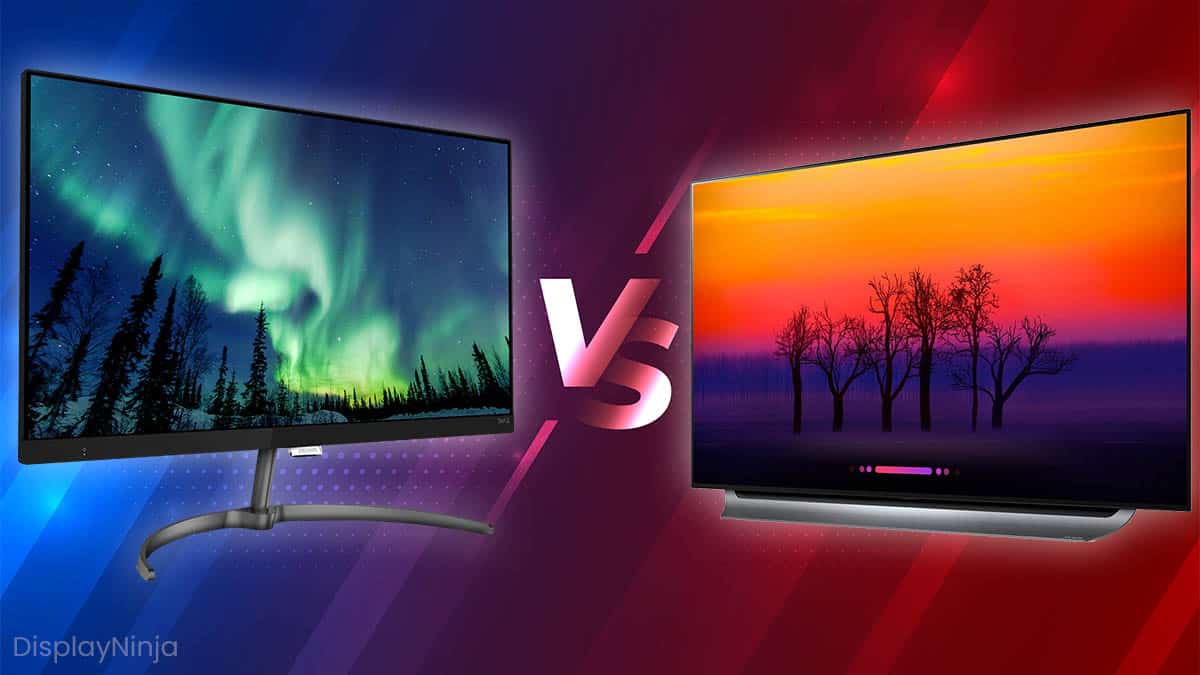 IPS vs OLED
Image quality, lifetime, burn-in risk, power, and cost—an engineering comparison for embedded HMIs and outdoor systems.
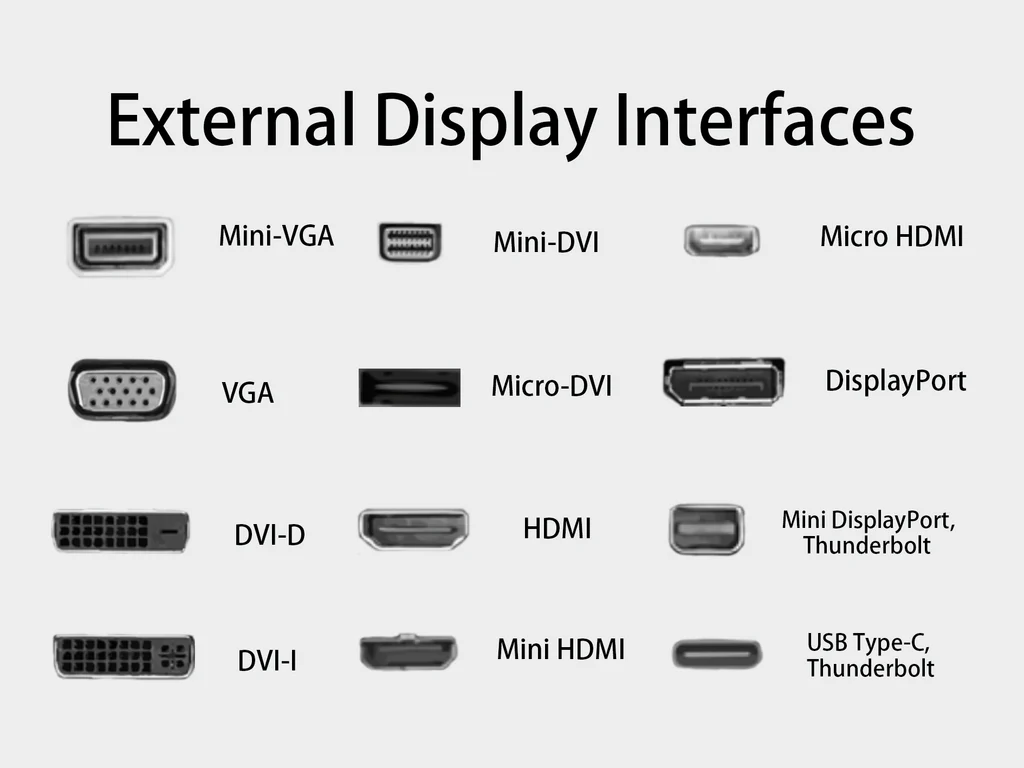 Display Interfaces
LVDS, MIPI DSI, eDP, HDMI—bandwidth, cable length, EMI, and BOM trade-offs for real deployments.
 Outdoor Readability
Optical bonding, AR coatings, and high-nit panels to keep screens readable in sunlight.