Why IPS Displays Dominate Modern Indoor Applications
A practical overview of why IPS displays excel in indoor environments, covering color accuracy, viewing angles, stability, and typical industry use cases.
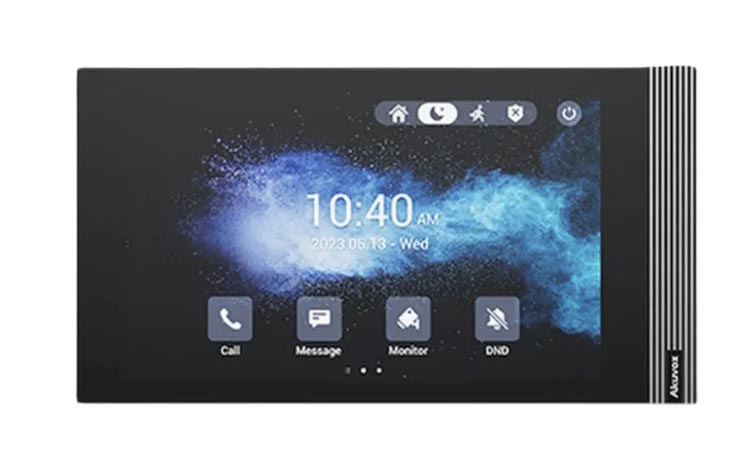
In recent years, IPS (In-Plane Switching) displays have become the preferred choice for a wide range of indoor applications—from smart home panels and industrial HMIs to medical devices, security systems, and retail equipment.
While high-brightness modules and optical enhancements are crucial for outdoor readability, indoor environments place a different set of demands on display performance.
This article explores why IPS technology is particularly well-suited for controlled lighting environments and how it compares to TN, VA, and OLED solutions.
1. What Makes IPS Ideal for Indoor Environments?
Many consumer and industrial devices today rely on IPS panels because they offer a balanced combination of color fidelity, viewing comfort, and long-term stability—characteristics that matter significantly in indoor settings.
Key advantages include:
• Excellent Color Accuracy
IPS panels maintain highly consistent color reproduction across the entire surface.
This is essential for:
- smart home touch panels
- point-of-sale devices
- medical diagnostic monitors
- indoor advertising displays
Indoor lighting is typically stable, allowing IPS panels to perform at their best without the need for extreme brightness compensation.
• Wide Viewing Angles
Unlike TN panels that suffer from color shifting, IPS maintains uniformity up to 178° horizontally and vertically.
This allows multiple users to view the screen comfortably, especially in:
- meeting rooms
- building control stations
- retail kiosks
- educational displays
• Comfortable Visual Experience
IPS displays minimize visual fatigue thanks to:
- stable contrast
- consistent gamma
- smooth grayscale transitions
This makes them suitable for devices that require prolonged viewing, such as medical monitors or production dashboards.
2. IPS vs. Other Display Technologies in Indoor Use
Although multiple display technologies exist, IPS offers the most balanced performance for indoor setups.
IPS vs TN
| Feature | IPS | TN |
|---|---|---|
| Viewing angle | Excellent | Poor |
| Color accuracy | High | Low |
| Cost | Moderate | Low |
| Indoor readability | Excellent | Limited |
TN remains suitable for cost-sensitive applications, but its color shifting and limited usability make it less ideal for modern indoor systems.
IPS vs VA
| Feature | IPS | VA |
|---|---|---|
| Contrast | Medium | High |
| Response time | Fast | Moderate |
| Color accuracy | High | Medium |
| Viewing angle | Excellent | Good |
VA panels offer stronger contrast but still show gamma shifting from side angles—less acceptable in professional indoor environments.
IPS vs OLED
| Feature | IPS | OLED |
|---|---|---|
| Burn-in risk | None | High |
| Lifespan | Long | Shorter |
| Cost | Lower | Higher |
| Stability | Excellent | Sensitive to static images |
For indoor use where dashboards or fixed UI elements remain static, IPS has a clear advantage due to its no burn-in risk.
3. Typical Indoor Applications of IPS Panels
Smart Home Panels & Building Automation
Most KNX, Zigbee, and Wi-Fi control panels use IPS modules due to durability and readability across different home lighting conditions.
Industrial HMI & Control Systems
IPS modules ensure accurate UI visibility even from wide angles—critical for operators moving around factory floors.
Medical & Laboratory Equipment
Healthcare devices benefit from IPS because diagnostic readings must remain color-accurate and stable for long hours.
Retail and Commercial Displays
POS systems, checkout terminals, kiosks, and digital signage often run IPS panels to maintain branding consistency and clarity.
Security & Monitoring Systems
Surveillance monitors and access control terminals rely on IPS for long operating hours and consistent color tone.
4. Enhancements Commonly Used for Indoor IPS Displays
Even though indoor lighting is controlled, manufacturers often add certain improvements:
• Anti-Glare (AG) Surface
Reduces reflections from overhead office lighting.
• High-CRI Backlight Options
Improves color reproduction for medical and professional-grade displays.
• Capacitive Touch Integration
Most modern indoor IPS modules use PCAP touch, often with:
- black printing
- laminated cover glass
- customized UI icons
• Wide Temperature Range Panels
For indoor industrial or commercial devices installed in challenging environments.
In many indoor applications, IPS panels do not require extreme high brightness.
Instead, a well-balanced standard brightness IPS display is usually sufficient, offering good visibility, stable color, and excellent viewing comfort under controlled lighting conditions. For product designers evaluating display options for smart home panels, HMIs, or commercial devices, it may be helpful to browse a collection of reliable, indoor-ready modules such as these
standard brightness IPS displays.
5. Why IPS Will Continue to Lead Indoor Display Applications
IPS strikes the best balance between:
- durability
- consistent optical performance
- cost-effectiveness
- visual comfort
- compatibility with modern UI/UX design
As indoor devices increasingly rely on graphical interfaces instead of mechanical controls, IPS remains the most dependable and versatile display technology for both consumer and industrial markets.
Final Thoughts
For indoor environments—whether residential, commercial, or industrial—IPS displays provide the most stable and visually comfortable solution. Their combination of viewing angles, color accuracy, and long-term stability ensures high-quality UI performance across a variety of products.
If you are selecting a display for your next project or integrating TFT panels into embedded systems, IPS remains the safest and most future-proof option.